Noah Sullivan · 3 September 2026
Examining Data Correlation Techniques for Improved Visibility in Post-Migration Scenarios
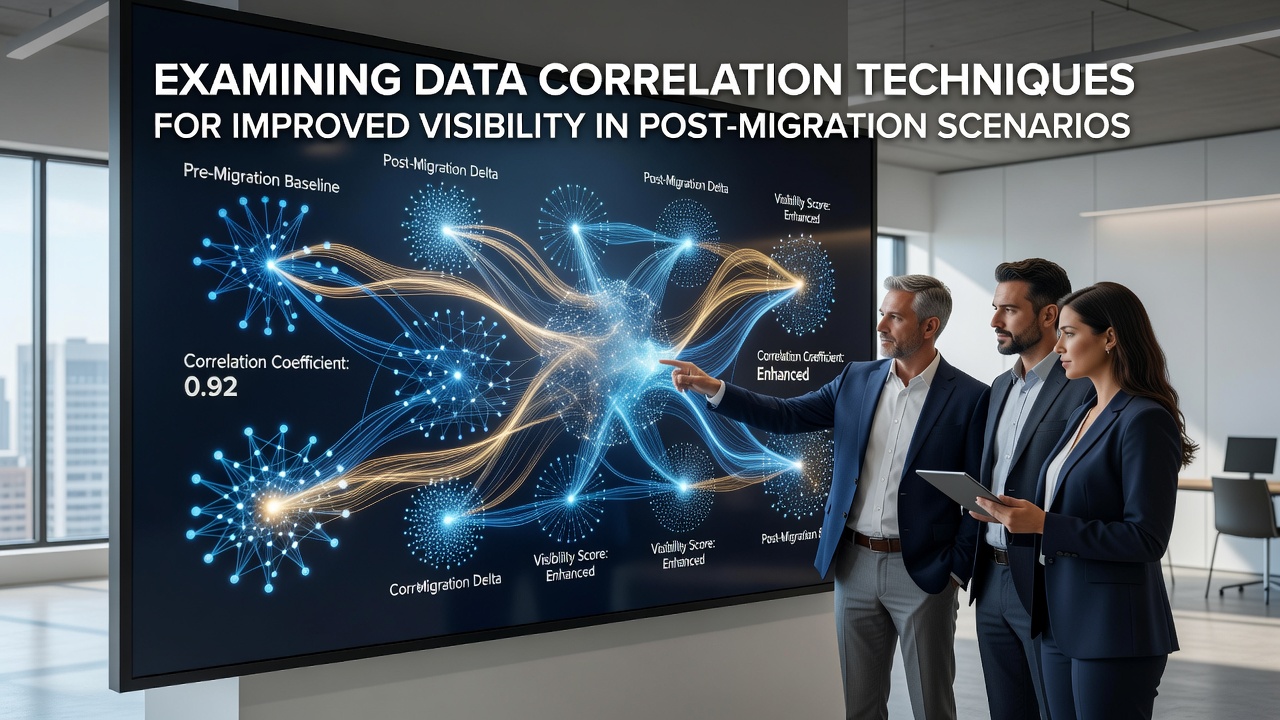
Domain migrations create complex shifts in data streams that require precise correlation methods to track visibility changes, and observers note how these techniques help connect traffic patterns with ranking fluctuations across search engines. Researchers have developed approaches that align metrics from analytics platforms with crawl data and user behavior signals, which allows teams to identify which elements of a migration preserve or disrupt organic performance over time.
Core Principles Behind Post-Migration Data Analysis
Post-migration scenarios involve the transfer of content, URLs, and technical configurations that often alter how search engines index and rank pages, while correlation techniques examine relationships between variables such as bounce rates, session durations, and keyword rankings before and after the move. Data shows that combining server log files with third-party visibility tools reveals whether redirects function correctly or if content duplication issues emerge during the transition period.
One study revealed that organizations tracking these variables through statistical models reduced recovery time for lost visibility by aligning historical performance baselines with new data sets. Experts apply Pearson correlation coefficients and regression analysis to quantify how changes in one metric influence others, creating clearer pictures of cause and effect in the weeks following a migration.
Techniques for Measuring Visibility Correlations
Analysts frequently use time-series correlation to compare pre-migration and post-migration datasets, which helps isolate seasonal effects from migration-related impacts. Methods include Spearman rank correlation for non-linear relationships and cross-correlation functions that detect lagged effects where visibility changes appear days or weeks after technical adjustments take place.
Figures from industry reports indicate that incorporating crawl budget data alongside ranking correlations provides additional insight into how search engine bots allocate resources to newly migrated sites. In September 2026 several algorithm updates emphasized the importance of these combined datasets, prompting practitioners to refine their correlation models accordingly.

Practical Applications in Real Migration Cases
There's this case where experts applied multivariate correlation to a large e-commerce platform migration and discovered strong links between internal linking structure changes and drops in category page visibility. The team cross-referenced Google Search Console data with server logs to confirm that certain redirect chains had introduced latency that search engines interpreted negatively.
People who've studied these patterns often discover that correlating user engagement metrics with indexation rates uncovers hidden issues such as mobile usability problems introduced during the migration process. Academic sources such as those published through National Institute of Standards and Technology frameworks demonstrate how standardized data pipelines improve the reliability of these correlation outputs across different migration scales.
Advanced Statistical Tools and Their Integration
Tools built on machine learning algorithms now extend traditional correlation methods by identifying non-obvious relationships in high-dimensional datasets. Observers note that clustering techniques group similar migration outcomes together, allowing practitioners to predict visibility trajectories based on historical patterns from comparable projects.
Another source from the Australian Competition and Consumer Commission research archives highlights how data governance standards affect the accuracy of correlation results when multiple teams handle migration analytics. Integrating these standards into workflows ensures consistent variable definitions across datasets collected at different stages of the project.
Conclusion
Correlation techniques continue to evolve as data volumes grow and migration projects increase in complexity. Researchers continue refining models that connect technical migration elements with visibility outcomes, providing organizations with measurable indicators of success. Those who apply these methods consistently report clearer pathways for addressing performance gaps that arise after domain shifts, while the underlying statistical principles remain grounded in established data analysis practices.